
 0
0
 0
0
www.thediegoscopy.com – Entertainment in Ancient Rome has never felt closer than it does today, as a newly restored home on Palatine Hill opens not only to on-site visitors but also to curious viewers across the globe through livestream tours. This fusion of archaeology, storytelling, and modern technology turns a once-exclusive elite residence into a shared cultural stage, where frescoed walls and hidden corridors host a new era of digital spectatorship.
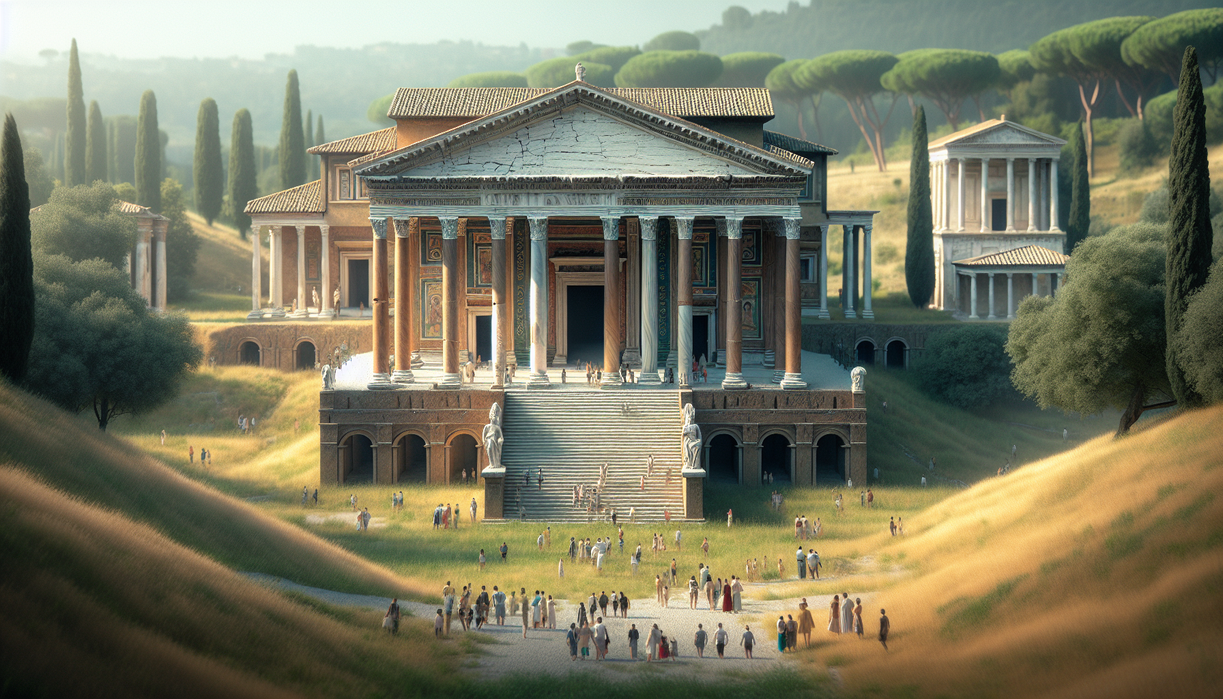
The residence, remarkably preserved beneath centuries of dust and debris, offers more than ruins; it stages a vivid narrative of domestic entertainment, intimate rituals, and social power. Through cameras, lights, and expert guides, the house becomes both museum and movie set, an immersive performance where the past plays out live for contemporary audiences hungry for history and meaning.
Entertainment at Home in Ancient Rome
The restored residence on Palatine Hill reveals how deeply entertainment shaped Roman private life. This was not a mere backdrop for quiet family evenings. It was a curated environment where architecture, color, and movement combined to impress guests, display status, and orchestrate social bonds. Today’s livestream tours echo that original purpose. They transform static heritage into active, shared experience, reaching viewers who may never set foot in Rome.
Frescoes covering the walls once stood as conversation pieces, early multimedia tools for domestic entertainment. Mythological scenes, theatrical masks, and garden illusions entertained guests while communicating cultural literacy. During livestreams, guides zoom in on these details, explaining hidden jokes, myths, and symbols. That interactive commentary revives the old practice of guided viewing, with the host leading eyes from panel to panel, story to story.
Entertainment in this context carried serious weight. Banquets, musical performances, poetry recitations, and philosophical debates all unfolded within such spaces. The house acted like a private theater, staging social roles and rehearsing public identities. Modern streaming technology mirrors this theatrical quality. Each virtual visit becomes a little show, complete with scripted segments, improvised answers, and the unseen presence of hundreds of viewers sharing a single, synchronized experience.
From Exclusive Salons to Global Livestream Entertainment
Originally, only a narrow Roman elite accessed this kind of domestic entertainment. Invitations signaled influence. Entry through the door marked inclusion inside a carefully controlled network. The livestream flips that logic. Now, anyone with a screen can enter the house. The old threshold becomes symbolic rather than physical, crossed with a click instead of a formal introduction, shifting entertainment from an exclusive privilege to a widely shared cultural asset.
This democratization raises fascinating questions. Does global access dilute the house’s aura, or expand its power? My perspective leans toward the latter. When thousands watch a guide point out tiny pigment traces on a fresco, the site’s significance multiplies. Entertainment turns educational. Curiosity travels faster than any ancient courier. The house gains new relevance, not by hiding behind velvet ropes, but by offering its stories to schoolrooms, living rooms, and solo travelers worldwide.
At the same time, livestream entertainment encourages a fresh kind of attention. Visitors on-site juggle crowds, heat, and time limits. Remote viewers, however, can pause, rewind, or return to a favorite segment. This slower rhythm supports deeper reflection. It also lets experts experiment with pacing and narrative. A guide can dwell on a single fresco for several minutes, connecting it with Roman theater, domestic rituals, and modern film. Entertainment becomes a thoughtful bridge between archaeology and contemporary media culture.
Technology as Storyteller: Personal Reflections on a New Kind of Entertainment
For me, the most compelling shift lies in how technology reshapes our role as spectators. We do not simply watch a static monument; we participate in a live, guided performance where questions, angles, and timing all influence the story. This hybrid of scholarship and entertainment blurs boundaries between museum tour, documentary, and theater. It invites us to see ancient domestic life not as frozen history, but as a dynamic script that can be reinterpreted for each generation. As cameras glide through Roman corridors once alive with poetry, gossip, and music, we are reminded that entertainment remains a fundamental human need: to gather, to imagine, to learn, and to recognize ourselves in the distant echoes of another era.


