
 0
0
 0
0
www.thediegoscopy.com – Foreign policy decisions made in Washington often feel abstract to people far from power, yet in Cuba those choices are painfully concrete. The fuel blockade, tightened under recent US administrations, now shapes daily life on the island in ways that go far beyond political speeches. Buses vanish from routes, hospital generators strain to keep running, food spoils before reaching markets, and entire neighborhoods slip into darkness each night.
Many Cubans criticize Havana’s own foreign policy priorities, especially when leaders invest prestige abroad while scarcity grows at home. Still, they view US figures like Donald Trump and Senator Marco Rubio as openly hostile. For them, sanctions reflect a foreign policy that treats ordinary Cubans as collateral damage in a long, unresolved ideological conflict.
How Foreign Policy Turned Fuel Into a Weapon
To understand the current crisis, it helps to see how foreign policy turned fuel into leverage. For decades, Washington has used embargoes and sanctions to punish Havana’s leadership. Under Trump, measures became harsher, particularly against tankers, insurers, and companies willing to ship fuel to Cuba. This aggressive approach did not require an official naval blockade; it relied instead on financial pressure and legal risk.
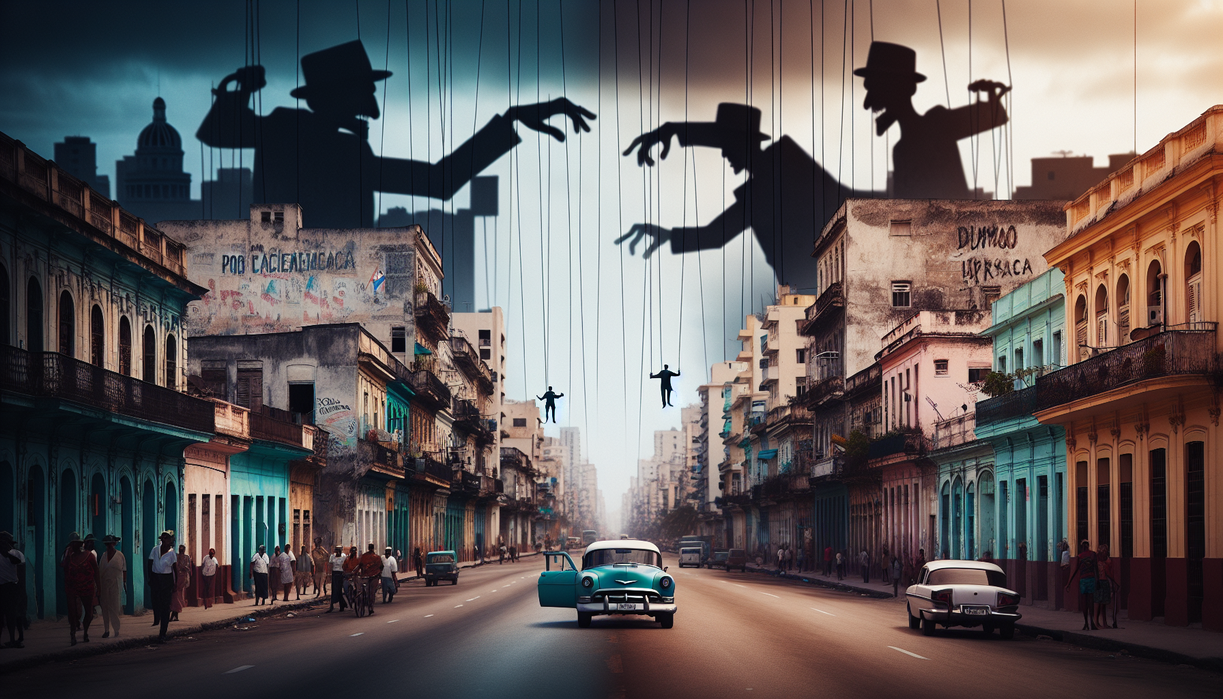
The result resembles a strangling hand around Cuba’s energy supply. Tanker owners fear massive fines or loss of access to US markets. Banks hesitate to process payments linked to Havana, even for basic necessities. Shipping companies avoid Cuban ports to sidestep complex regulations. What looks like technical foreign policy language in US documents translates into empty gas stations and silent factories on the island.
President Biden campaigned on a more humane foreign policy, hinting he might roll back the most punishing moves. Yet continuity has largely prevailed. While some small changes appeared, core fuel restrictions still exert powerful pressure. In practice, foreign policy has become a slow, grinding siege, one that squeezes civilians first while political elites adapt and shield themselves as much as possible.
Everyday Life Under a Fuel Blockade
The fuel blockade’s impact reaches into almost every Cuban household. Public transportation is often the first visible casualty. Buses run fewer routes, stop earlier, or disappear for days. Commuters walk long distances in tropical heat, students arrive late to classes, workers miss shifts. Taxi drivers line up for hours at scarce fuel pumps, pushing fares higher than many can afford. A decision framed as foreign policy in Washington becomes a daily logistical nightmare in Havana.
Hospitals and clinics face an even more urgent battle. Generators depend on diesel. Refrigeration for vaccines, blood supplies, and vital medicines requires stable electricity. When power cuts grow longer because fuel is scarce, doctors must triage not only patients but also which machines stay on. Everyone in the health system understands that a fuel shortage triggered by foreign policy can suddenly become a life-or-death matter for those on operating tables or in intensive care units.
Food security also suffers. Tractors stand idle, irrigation pumps rest unused, and refrigerators in distribution centers fail. Even when farmers manage to grow enough, moving harvests from rural areas to cities becomes difficult. Perishable goods spoil on stalled trucks. Markets open with almost empty shelves, while prices on whatever survives rise sharply. To ordinary Cubans, the word foreign policy no longer sounds distant; it means shorter meals, thinner children, and long lines for basic staples.
Why Many Cubans Oppose Both Governments’ Choices
Conversations with Cubans reveal a nuanced perspective. Many criticize their own leadership for rigid economic models and for prioritizing symbolic foreign policy battles over pragmatic reforms. At the same time, they condemn Washington’s siege strategy, which they see as morally wrong and strategically ineffective. From my perspective, this dual rejection is rational. Sanctions framed as foreign policy tools rarely deliver democracy; instead, they deepen social hardship, empower black markets, and give ruling elites a convenient external enemy to blame. In Cuba’s case, the fuel blockade resembles collective punishment. A more ethical foreign policy would engage directly with civil society, encourage open exchange, and avoid policies that quite literally switch off the lights in Cuban homes while leaving core power structures intact.


