
 0
0
 0
0
www.thediegoscopy.com – Airport security used to mean metal detectors, bag checks, and a quick glance at your passport. Today it has evolved into something far broader: a dense web of cameras, databases, biometric scanners, and roaming officers that watch every movement from curb to gate. Immigration agents such as ICE are visible parts of that system, yet they are only the most obvious pieces of a much larger surveillance puzzle.
This shift is not just about keeping threats away from airplanes. It also reshapes how people experience public space, privacy, and even citizenship. As airport security grows more complex, it risks turning constant monitoring into a normal background noise of travel. The real question is not only whether airports are safe, but what we are trading away to feel that way.
From Checkpoints to Continuous Airport Security
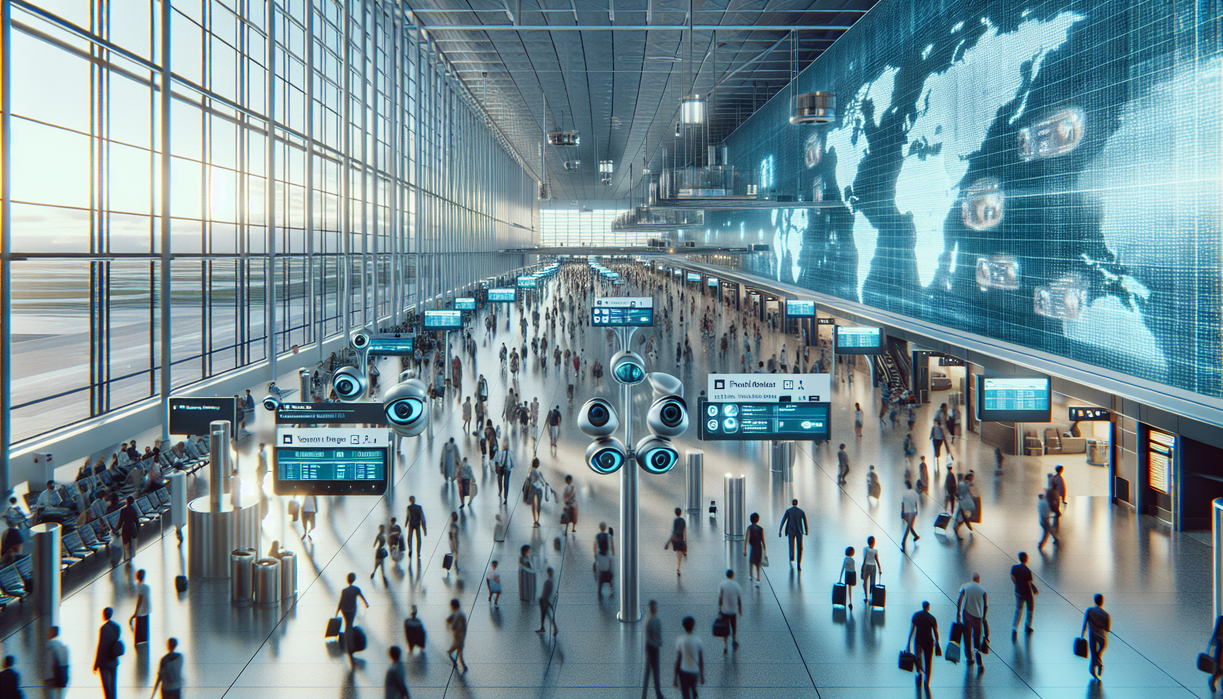
In many U.S. hubs, airport security no longer starts at the screening line. Cameras track crowds in parking garages and drop-off lanes. License plates are scanned. Faces are compared against watchlists before passengers even step inside the terminal. Once travelers cross the threshold, new layers of observation follow them through ticket counters, security lanes, food courts, and boarding gates. The old idea of a single checkpoint has been replaced by almost uninterrupted oversight across the entire journey.
Part of this change stems from fears that threats can emerge at any point, not only near the aircraft. Another factor is the rise of data-driven policing and immigration enforcement, which sees airports as rich sources of information. ICE agents might check passenger manifests or work with local police behind the scenes, but they operate within a broader structure of airport security that blends federal, state, and private actors into one continuous net.
As a traveler, I notice how subtle cues encourage compliance. Signs remind people to show IDs, remove shoes, keep boarding passes visible, and accept new scanning technologies. Recorded announcements talk about safety while rarely addressing how much information gets collected. Over time, the ritual of airport security feels less like an exception and more like a standard template for managing public movement. That quiet normalization may be its most powerful feature.
Biometrics, Databases, and the Normalization of Surveillance
Biometric tools stand at the core of modern airport security. Facial recognition gates promise faster boarding. Fingerprint scanners speed up immigration checks. Iris scanners appear in trusted traveler lanes. These tools are marketed as conveniences that reduce lines and remove friction. Yet each scan also creates or extends a data trail, linking physical bodies to digital identities across multiple systems. Once that infrastructure exists, it becomes tempting for agencies to share, merge, and analyze those records for many purposes beyond aviation safety.
Airlines now collaborate closely with security agencies through data sharing agreements. Passenger name records, travel histories, payment details, and seating choices feed into risk scoring models. A simple decision to change flights or pay in cash can trigger extra scrutiny. Officially this process enhances airport security, but it also extends surveillance into everyday choices that appear unrelated to crime or terrorism. The boundary between commercial convenience and law enforcement tool begins to blur.
Personally, I feel a tension every time I see a biometric lane advertised as the “fast option.” The message is clear: hand over more data for an easier experience. Some travelers accept this trade without hesitation because the cost feels abstract. Others refuse, but then face longer waits or suspicion. When enough people choose convenience, resistance starts to look unreasonable. At that point, consent becomes more symbolic than real, and airport security practices drift quietly into other public spaces.
Why This New Airport Security Model Should Concern Us
What happens at airports rarely stays there. Once authorities normalize intensive monitoring in one high-stakes environment, they gain arguments to extend similar practices to train stations, city centers, even schools or workplaces. The same cameras, algorithms, and ID checks can be justified through familiar appeals to safety. Airport security becomes both a testing ground and a sales pitch for expansive surveillance. My concern is not that we protect flights, but that we accept permanent observation as the usual price of participation in public life. If we want real safety, we must keep asking who controls these systems, how data gets used, and what safeguards exist when technology fails or targets the wrong people. The future of travel may depend on how firmly we defend the right to move without surrendering every trace of private identity.


