
 0
0
 0
0
www.thediegoscopy.com – International news took a harrowing turn as a New Year’s Eve celebration in the Swiss Alps transformed from joy to catastrophe. A lively bar in the resort town of Crans-Montana became the scene of a devastating fire, leaving dozens presumed dead and about 100 people injured. Visitors had gathered to welcome the new year with music, laughter, and warmth, only to face chaos when flames tore through the venue. This international news story now echoes far beyond Switzerland, touching families, travelers, and communities across multiple countries.
Authorities describe a rapid, ferocious blaze that overwhelmed guests before many could escape. Survivors recount confusion, smoke, and a desperate rush for exits. Emergency teams converged on the site, yet the scale of casualties reveals how quickly nightlife can turn lethal when safety systems fail or crowds outnumber evacuation capacity. For readers who follow international news, this disaster offers more than a tragic headline. It also forces a closer look at holiday tourism, fire regulations, and our assumptions about safety during highly attended celebrations.
What Happened in Crans-Montana?
The fire broke out shortly after midnight, just as the New Year countdown finished and music filled the air. Witnesses report a sudden change in atmosphere as smoke began to spread, followed by shouts for help. Many guests were visitors from abroad, drawn to the Swiss Alps for a glamorous holiday experience. International news coverage quickly focused on the bar, a popular spot for seasonal travelers seeking an intimate, high-energy celebration rather than the large, open-air events found in major cities.
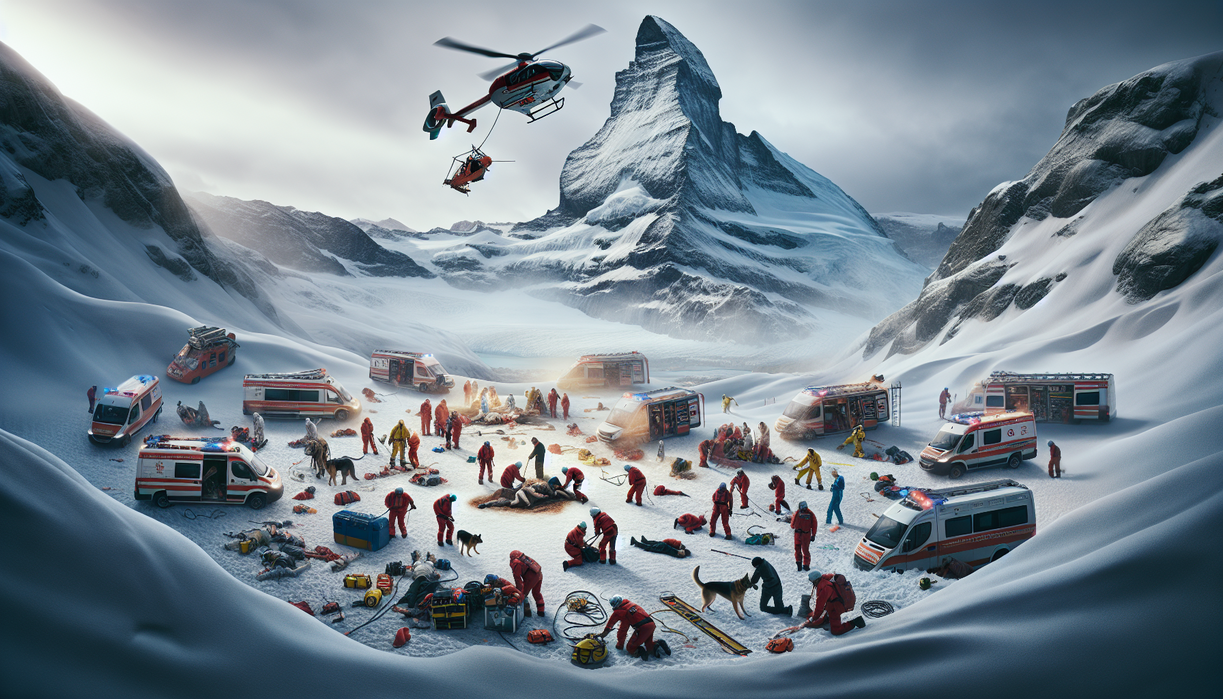
Local police and fire crews arrived fast, yet the fire’s intensity created enormous difficulty. Narrow entrances, crowded interior spaces, and heavy furnishings likely contributed to the disastrous conditions. Rescue teams had to balance extinguishing the fire with extracting people who were trapped. As the night unfolded, hospitals across the region activated emergency protocols. Medical staff treated smoke inhalation, burns, and injuries sustained during the frantic escape attempt. International news outlets started to track the number of victims, highlighting how a single event inside one building could shake the confidence of tourists worldwide.
Authorities have not yet released a final casualty list, partly because many victims are foreign nationals. This complicates notification procedures and deepens the global resonance of the story. Friends and relatives in multiple countries now wait for updates, refreshing news feeds and calling hotlines created by local authorities. For those watching international news, the Crans-Montana fire is more than distant tragedy. It serves as an unsettling reminder that festive gatherings, especially in enclosed spaces, carry risks that are often overlooked when excitement takes over.
Why This Story Resonates Across Borders
This incident has captured attention across international news networks because it strikes at the intersection of travel, leisure, and safety. Many of us imagine mountain resorts as calm, controlled environments, managed by seasoned professionals and strict regulations. Switzerland in particular carries a reputation for precision, order, and high standards. The fact such a deadly event occurred in this context unsettles those assumptions. It suggests even well-regulated destinations may harbor vulnerabilities, especially when crowds grow quickly during holiday seasons.
From a broader perspective, the tragedy in Crans-Montana highlights how interconnected our experiences have become. Guests came from different countries, yet they shared one enclosed space for that celebration. A single malfunction or oversight now reverberates through families scattered across Europe, Asia, the Americas, and beyond. International news today cannot be confined to one border because our lives rarely stay confined either. Tourism, seasonal work, and global mobility mean a local incident almost immediately becomes a shared human story.
Personally, I see this fire as a stark illustration of the trade-offs we quietly accept when we chase memorable experiences. Travelers often prioritize atmosphere, music, or exclusivity, while safety features fade into the background. Few of us check emergency exits, sprinkler systems, or maximum occupancy signs before ordering a drink. Yet international news events like this one show how those overlooked details define the line between a successful night out and irreversible loss. It raises an uncomfortable question: how much responsibility should fall on authorities, and how much on each guest?
Lessons for Future Celebrations Worldwide
When international news brings us a tragedy of this scale, the most meaningful response goes beyond sympathy. It involves learning. Cities and resort towns must re-examine fire codes, crowd limits, staff training, and inspection routines, especially for year-end festivities. Venue owners need clear evacuation plans, visible exits, and staff who can act calmly during emergencies. Guests, too, have a role: noticing exit routes upon arrival, avoiding severely overcrowded spaces, and speaking up when conditions feel unsafe. As we reflect on the lives altered in Crans-Montana, we should carry forward a quiet commitment to vigilance, so future holidays can be remembered for joy instead of sorrow.


