
 0
0
 0
0
www.thediegoscopy.com – Jeffrey Epstein’s shadow still hangs over America’s most powerful institutions, and Harvard sits near the center of that storm. The story is not only about one disgraced financier, but about the way elite networks protected reputations long after serious warnings emerged. When former Harvard president Larry Summers lands softly despite his ties to Epstein, it raises a deeper question: what does accountability really mean at the top?
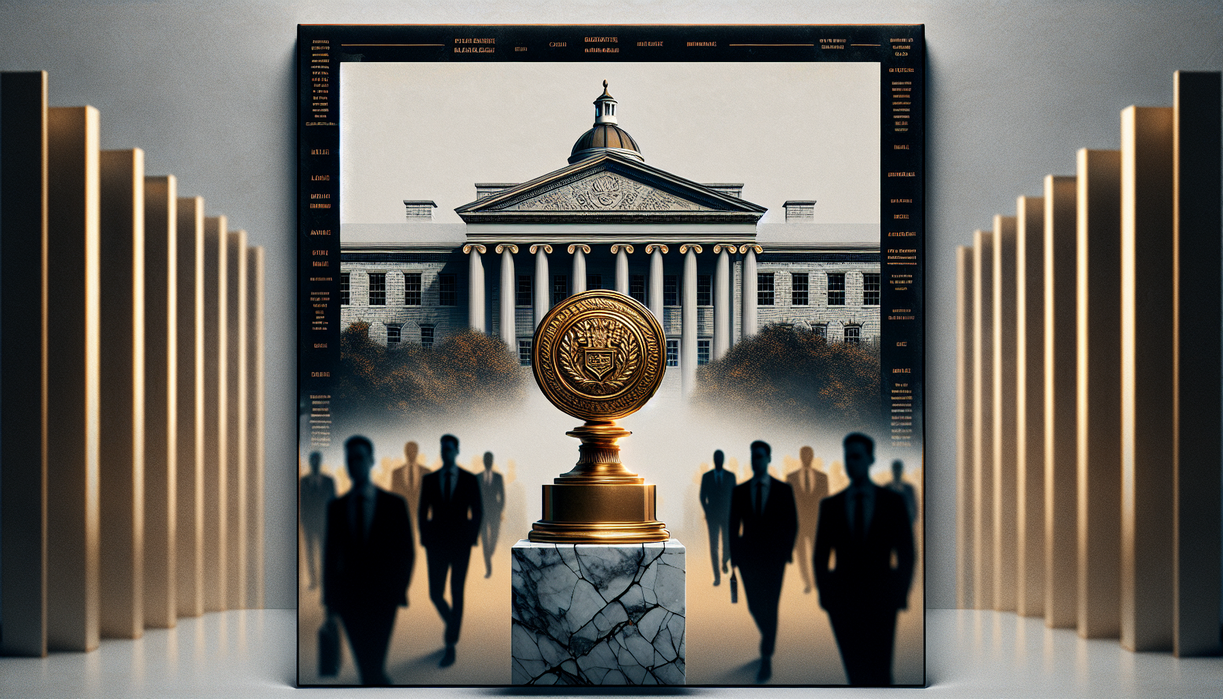
Harvard’s response to the Jeffrey Epstein scandal reveals more than flawed judgment. It exposes a system where prestige shields influential figures from lasting consequences, even when their associations involve a convicted sex offender. By watching how Summers’ reputation remains largely intact, we can see how institutional culture quietly tells victims, students, and the public that power still outweighs principle.
How Jeffrey Epstein Entered Harvard’s Orbit
To understand Harvard’s dilemma, we have to look at how Jeffrey Epstein first gained influence there. He was not a renowned scientist or a distinguished alumnus. He lacked a college degree. Yet he cultivated relationships with prominent academics, offered lavish donations, and presented himself as a visionary patron of science. In elite environments, money often speaks a language administrators find hard to ignore.
Harvard accepted millions from Jeffrey Epstein, even as rumors about his behavior circulated in elite circles. Donations funded research, supported visiting scholars, and helped build an aura of intellectual seriousness around a man already facing disturbing allegations. The university later acknowledged it had taken more funds from him than originally disclosed, which made post‑facto apologies feel incomplete.
These connections were not limited to anonymous committees or hidden accounts. Epstein built personal ties with influential figures, including Larry Summers, who served as Harvard’s president and later as U.S. Treasury secretary. Summers met with him regularly, even after Epstein’s first conviction related to sex offenses. This was not passive association; it was repeated engagement with a known predator, wrapped in the language of philanthropy and high‑level networking.
Larry Summers’ Soft Landing After the Storm
When Jeffrey Epstein’s crimes finally received global attention after his 2019 arrest, institutions rushed to distance themselves. Statements of shock, regret, and outrage poured out. Harvard launched reviews, reassessed policies, and promised greater scrutiny for donors. Yet the actual consequences for powerful insiders remained surprisingly gentle, especially for someone as prominent as Larry Summers.
Summers did face criticism for his interactions with Jeffrey Epstein, including meetings and social connections that continued even after Epstein’s conviction. But criticism stayed mostly rhetorical. He retained his stature as a leading economic voice, a respected commentator, and a sought‑after advisor. The message was quiet but clear: association with a predator may be embarrassing, yet not disqualifying for those at the very top.
This soft landing matters because it exposes a hierarchy of accountability. A graduate student who plagiarizes can lose a career. A staff member who violates lesser rules may face public disgrace. A powerful man connected to Jeffrey Epstein, however, can offer contrite explanations and eventually carry on. When status functions as a shield, institutions tell the world that rules bend for those who already stand on the highest rungs.
How Institutions Signal What They Truly Value
Harvard’s treatment of figures linked to Jeffrey Epstein provides a revealing case study in institutional signaling. Official statements insist on values like safety, dignity, and integrity. Yet the actual handling of elites sends a different signal: relationships, prestige, and financial benefit still hold enormous weight. When leaders retain titles, influence, and platforms after serious lapses in judgment, people learn that misconduct connected to the powerful is survivable. Students notice. Survivors notice. Faculty notice. Over time, the gap between declared values and lived practice erodes trust, invites cynicism, and normalizes the idea that some individuals are simply too valuable to face genuine consequences.
Power, Privilege, and the Epstein Network
Jeffrey Epstein did not operate alone. He thrived inside a web of billionaires, academics, politicians, and consultants who granted him credibility. Harvard functioned as one of the most prestigious nodes in that network. Affiliation with the university gave Epstein intellectual cover he could display to other elites. For him, a photo with a famous professor or a visit to a storied campus was as valuable as any financial investment.
Larry Summers’ role in this web highlights a recurring pattern. Epstein targeted individuals whose names would impress others, then parlayed those relationships into more access and legitimacy. Summers, with his long résumé and insider status, was ideal for this purpose. Each meeting or dinner helped Epstein look less like a disgraced felon and more like a quirky but essential figure in elite circles. Summers may not have intended to provide that kind of validation, yet intent matters less than impact.
When we evaluate Epstein’s influence, we cannot separate his crimes from the elite hospitality he received. The willingness of people like Summers to continue interactions after Epstein’s conviction expanded his reach. Doors stayed open. Invitations continued. The message to onlookers was unsettling: if Jeffrey Epstein still mingles with global leaders, perhaps his past is negotiable. That perception helped him maintain power long after he should have been permanently sidelined.
The Hidden Curriculum of Elite Universities
Universities teach more than what appears on a syllabus. They also deliver a hidden curriculum about status, risk, and loyalty. Harvard’s connection to Jeffrey Epstein, and its treatment of people tied to him, quietly instructs students on how power really works. When a disgraced donor’s name remains in internal records, or high‑profile figures face minimal consequences, the lesson is clear: prestige buys second chances that most people will never receive.
For survivors of sexual abuse, this hidden curriculum is especially painful. They watch an institution celebrate breakthroughs in ethics or public policy while handling Jeffrey Epstein’s legacy with extreme caution. Apologies are carefully worded. Reviews are limited in scope. Leaders like Larry Summers keep their platforms, occasionally expressing regret, but never experiencing the kind of life‑altering fallout that survivors confront daily.
This gap between rhetoric and reality encourages a culture of selective outrage. Outwardly, the community may denounce Jeffrey Epstein. Privately, many still prioritize access to donors, trustees, and celebrity guests. Students learn to read these mixed signals. Some internalize them, deciding that joining powerful networks matters more than speaking up. Others become disillusioned, viewing elite education as less moral beacon and more branding exercise for the already advantaged.
Money, Morality, and the Price of Admission
The Jeffrey Epstein scandal forces a blunt question: how much compromise will institutions accept for financial or reputational gain? Harvard’s willingness to engage with Epstein, and its continued embrace of figures like Larry Summers, suggests that the price of admission to elite circles includes a flexible relationship with moral clarity. Donor vetting often focuses on legality rather than ethics. As long as funds appear legitimate on paper, deeper questions about character receive little attention. The result is a system where predatory individuals can purchase proximity to greatness, while the costs of that access fall on those with the least power to object.
Why Summers’ Resilience Matters Beyond Harvard
Larry Summers’ ability to remain a central voice in policy debates, even after sustained scrutiny of his Jeffrey Epstein ties, matters far beyond campus boundaries. He influences discussions on inflation, inequality, and global finance. When such a prominent figure experiences minimal institutional penalty for repeated dealings with a convicted sex offender, it normalizes the idea that association with predators is an unfortunate footnote rather than a serious failure of judgment.
This normalization has ripple effects. Boardrooms, think tanks, and media outlets watch how Harvard responds. If one of the world’s leading universities treats Jeffrey Epstein’s network as a reputational issue to be managed rather than a moral crisis, other institutions feel safe doing the same. The result is a culture where survival of status becomes the main objective, and genuine accountability becomes rare.
There is also a chilling effect on whistleblowers and critics. If someone as visible as Summers can weather the storm, what hope does a junior researcher or staff member have when raising concerns about misconduct? The message is ruthless: challenge people with power at your own risk. That message does not appear in official policies, yet it echoes through hiring decisions, promotions, and invitations to join exclusive circles.
Rethinking Accountability for the Elite
To move forward from the Jeffrey Epstein era, institutions need a different model of accountability, one that treats proximity to power as a reason for greater scrutiny, not leniency. When leaders make catastrophic errors in judgment about whom they endorse or promote, formal consequences should follow. Titles, advisory roles, and honorary positions should not function as lifetime shields.
In practice, that might mean clearer standards for high‑level associations. If a university leader repeatedly meets with a convicted sexual predator, even under the guise of fundraising or policy discussions, that behavior should trigger formal review. The goal is not public shaming for its own sake. It is to realign responsibility with privilege, so that influence comes with real risk when misused.
Personal reflection plays a role here as well. Individuals like Larry Summers must reckon honestly with how their choices helped Jeffrey Epstein maintain influence. Acknowledging that impact requires more than brief statements or media interviews. It calls for sustained engagement with survivors, public transparency about decisions, and a willingness to step back from positions of authority when trust has been eroded. Without that, apologies sound like damage control rather than sincere moral growth.
From Reputation Management to Moral Repair
Most institutional responses to Jeffrey Epstein have resembled crisis communications strategies rather than genuine efforts at moral repair. True repair would center the experiences of those harmed by cultures that tolerated Epstein’s presence. It would involve independent investigations, open archives, and honest assessments of who benefited from his money and connections. Crucially, it would demand that figures like Larry Summers confront not just how they talk about ethics today, but how their past choices helped sustain an ecosystem where abuse could flourish in plain sight.
Choosing What Legacy Harvard Will Carry
Harvard cannot erase Jeffrey Epstein from its history. His name is woven into donor records, research funding, and social calendars from a not‑so‑distant past. The real question is what story the university chooses to tell about that history. Will it be framed as an unfortunate but minor misstep, or as a serious moral failure that demands ongoing reflection and reform?
The way Larry Summers continues to move through the world of ideas and policy will influence that story. If his association with Jeffrey Epstein remains a footnote in biographies, the lesson for future leaders will be bleak: you can sit at the highest tables, ignore glaring red flags, and carry on almost unchanged. If, instead, his legacy is openly debated, with clear acknowledgment of the harm such alliances cause, that conversation might begin to shift cultural norms.
Ultimately, the Jeffrey Epstein saga forces all elite institutions to decide what kind of power they want to embody. Is prestige just a tool for attracting money and influence, or is it a responsibility to model a different kind of leadership? A community truly committed to justice would accept short‑term embarrassment, even loss of funding, rather than cling to relationships with figures who trade in exploitation. Ending the habit of soft landings for the powerful is not just about punishing individuals. It is about building a culture where no amount of fame, wealth, or intellectual brilliance can outweigh the obligation to protect the vulnerable and tell the full truth about who we chose to trust.


