
 0
0
 0
0
www.thediegoscopy.com – Morocco cannabis farming legalization marks a historic shift for a country long known for its vast hashish trade. For decades, farmers in the Rif mountains survived on an informal market, operating in a legal gray zone that brought risk, instability, and little bargaining power. Now, a regulated framework promises something different: structured contracts, legal protection, and access to a booming global cannabis industry focused on medical, wellness, and industrial hemp products.
This transition does not simply flip a switch from illegal to legal crops. Morocco cannabis farming legalization aims to tackle deep rural poverty, reform a sizable underground economy, and attract foreign investment, all while keeping social stability. The stakes feel enormous. Success could transform isolated villages into hubs for high-value agriculture. Failure might deepen inequality or push growers back toward the shadows.
From Hashish Heartland to Regulated Producer
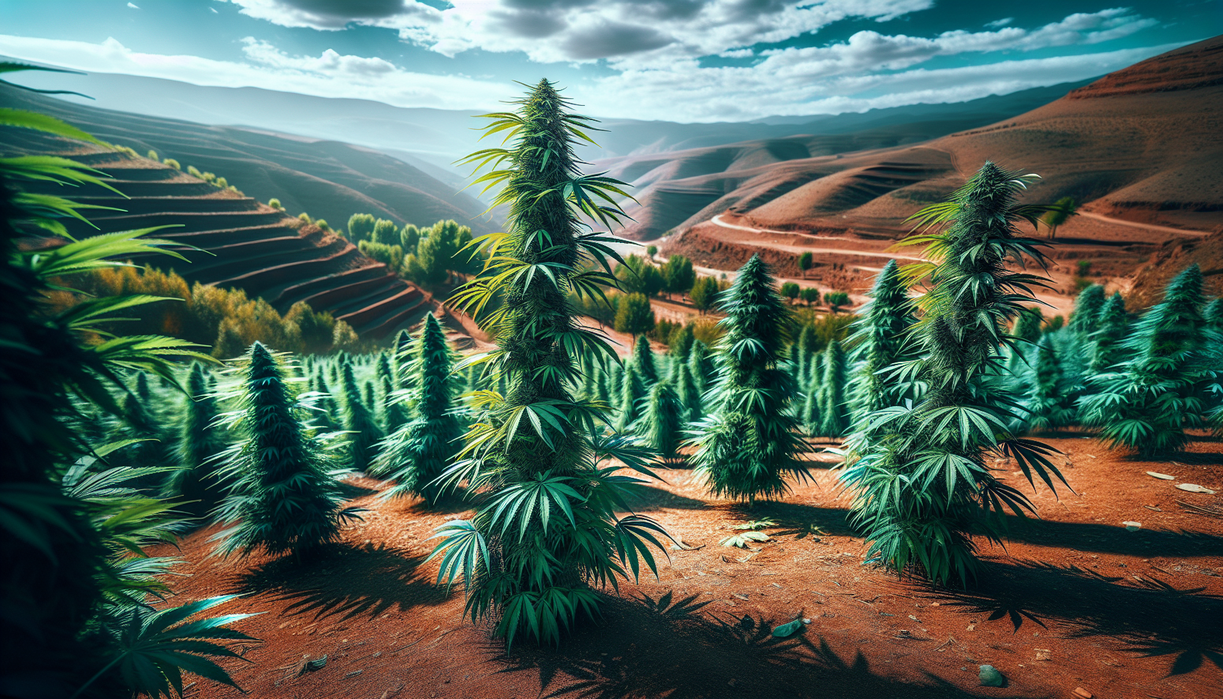
Long before Morocco cannabis farming legalization entered public debate, the country occupied a leading position in the global supply of hashish. The Rif region, especially provinces like Chefchaouen and Al Hoceima, became synonymous with cannabis fields climbing steep hillsides. For many households, this crop represented the only reliable income source, more dependable than olives or grains. Yet earnings remained modest compared to the profits made by traffickers and international distributors.
The 2022 law altered that dynamic. Authorities authorized cannabis cultivation for medical, pharmaceutical, and industrial uses under a licensing system. A new national agency oversees permits, seed imports, quality standards, and product tracking. This legal architecture seeks to separate legitimate production for regulated markets from illicit exports feeding recreational demand in Europe and beyond.
Early pilot projects focus on limited zones where cannabis has been grown for generations. By starting small, regulators hope to test traceability tools, monitor yields, and measure farmer income. There is a sense of cautious experimentation. Officials must prove that legal contracts can outcompete underground buyers on price, reliability, and security, otherwise growers may see little reason to switch allegiance.
Can Legalization Truly Lift Rural Communities?
At the heart of Morocco cannabis farming legalization lies a social promise: use the legal value chain to fight rural poverty. Rif communities carry a history of marginalization and weak public services. Roads, schools, and clinics remain patchy in remote mountain villages. Families relied on cannabis money to fill these gaps, despite periodic crackdowns and legal threats. Lawmakers hope legal revenues, coupled with development funds, will finally create stable progress.
However, legalization does not automatically ensure fairness. Licensed cultivation requires paperwork, minimum land size, and compliance with agricultural standards. Smallholders with tiny plots or those without formal land titles could find themselves excluded. Corporations with capital for greenhouses, irrigation, and processing facilities might corner the most profitable segments such as medical extracts and branded wellness products.
My view: policy success depends on deliberate inclusion. Cooperatives must receive real support, not just signatures on paper. Training programs, low-interest credit, and shared processing centers could help farmers climb the value ladder, rather than remain stuck selling raw biomass. Without such tools, legalization risks turning former outlaw growers into low-paid labor for better connected investors.
Balancing Global Opportunity with Local Realities
Global demand for legal cannabis-based products keeps rising, from CBD oils to pharmaceutical-grade ingredients. Morocco cannabis farming legalization arrives at a strategic moment, offering the country a chance to reposition from illicit supplier to respected agro-industrial player. Yet every step forward must respect the lived realities of Rif communities. Strong environmental safeguards, equitable contracts, and transparent governance will determine whether this shift becomes a model for sustainable rural revival or just another chapter of broken promises. The world is watching, but more importantly, so are the farmers whose lives hang on the outcome.


