
 0
0
 0
0
www.thediegoscopy.com – In the quiet hours before dawn, residents of Soweto township were jolted awake by a sound they will never forget. A two-story building crumbled into rubble, killing three people, including a one-year-old child, and leaving a community shaken to its core. The tragedy did not only steal lives; it also exposed deep cracks in housing safety, poverty, and public oversight across Soweto township.
For many families, multi-story houses in Soweto township represent hope, progress, and escape from cramped shacks. Yet this collapse shows how quickly that dream can turn into a nightmare when structures lack proper supervision or are built with substandard materials. As neighbors searched through dust and debris for survivors, painful questions emerged about who bears responsibility for safe housing in the township.
Soweto Township Wakes to Disaster
Residents nearby described a sharp roar followed by a cloud of dust hanging above the narrow street. People rushed out, some barefoot, searching for loved ones who had been asleep moments earlier. In Soweto township, where homes stand close together and families often share limited space, a single collapse can affect many lives at once. Children cried, elders prayed, and neighbors dug with bare hands before emergency crews arrived.
Emergency responders moved quickly to secure the area, but the scene remained chaotic. Sirens, shouts, and the crackle of radios cut through the early-morning stillness. Paramedics carried survivors away on stretchers, while police tried to keep onlookers back from unstable walls. For residents of Soweto township, the wreckage looked less like an isolated accident and more like a symbol of long-ignored risks surrounding them.
Local leaders expressed sorrow, yet grief soon turned into frustration. People asked how a two-story building in a densely populated section of Soweto township could fail so catastrophically. Was the structure ever properly inspected? Did the owners follow building rules? These questions may seem technical, but for those who lost family members, they feel painfully personal. The search for accountability has only just begun.
Hidden Vulnerabilities Behind Township Walls
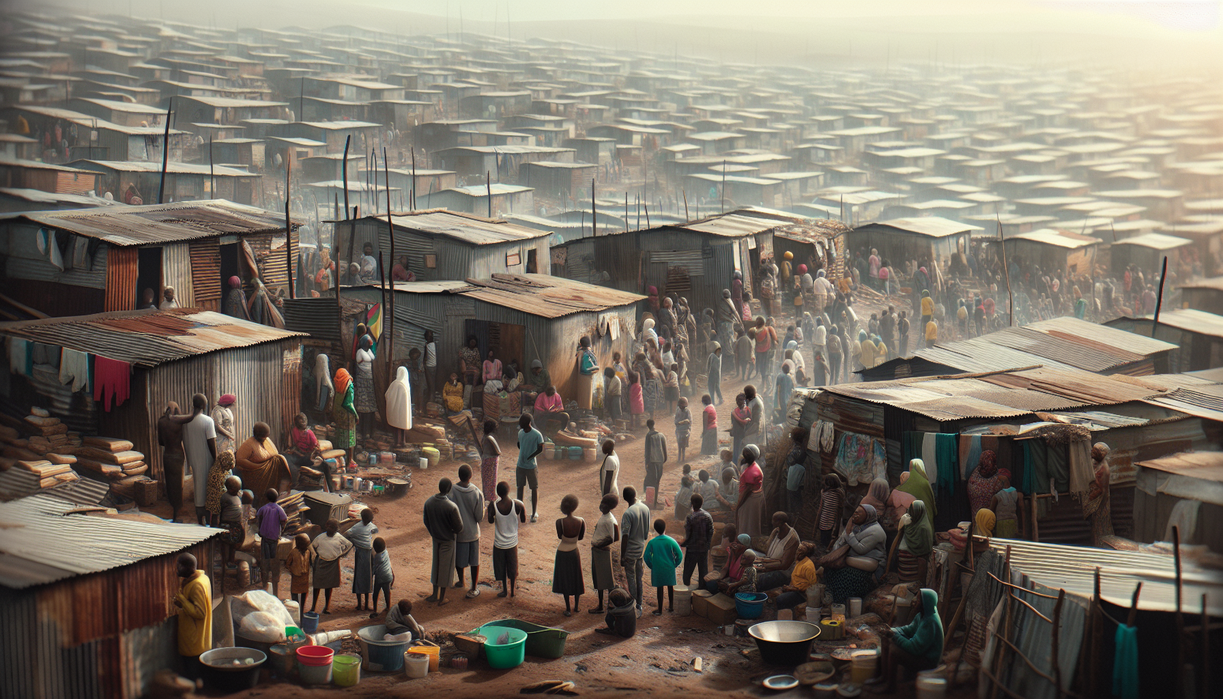
To understand this disaster, one must look beyond a single structure and examine daily reality across Soweto township. Many residents have spent decades living on the edge of formal systems. They build upward or extend homes to fit growing families, often with limited engineering advice or municipal support. Not out of recklessness, but out of necessity. Space is scarce, income low, and official processes slow, expensive, or simply out of reach.
Over time, informal construction can create a dangerous mix. A bit of extra weight here, a poorly supported wall there, plus aging foundations, can gradually turn a house into a hazard. In Soweto township, where neighbors rely on one another more than on distant authorities, warnings about structural weakness rarely become formal reports. People learn to live with cracks, sagging beams, or leaky roofs, until one day the structure fails without mercy.
As an observer, I see this tragedy as both a local event and a symptom of broader urban neglect. Soweto township has a powerful history of resistance and resilience, yet that spirit should not be tested by preventable structural failures. A community already burdened by unemployment, crime, and limited services should not also carry the fear that the roof above them might collapse while they sleep.
Lessons, Accountability, and a Call for Safer Homes
The collapse in Soweto township must become a turning point rather than just another tragic headline. Investigations need to trace every decision behind that building, from design to materials to final approval, then hold each responsible party to account. At the same time, residents deserve support for safer construction: affordable inspections, clear guidelines, and community education that respects local realities. My own view is simple yet demanding: no child in Soweto township should lose life because a home failed them. Real justice will only come when every family can rest under a secure roof, without wondering if the walls around them can survive the night.


