
 0
0
 0
0
www.thediegoscopy.com – The sudden rescue of five villagers from a flooded cave in central Laos is dramatic on its own, yet the deeper context reveals far more than a single survival story. It exposes how climate shifts, rural livelihoods, and fragile infrastructure intersect in remote communities. Understanding this broader context helps us see the event not as isolated tragedy but as a warning signal for the region and beyond.
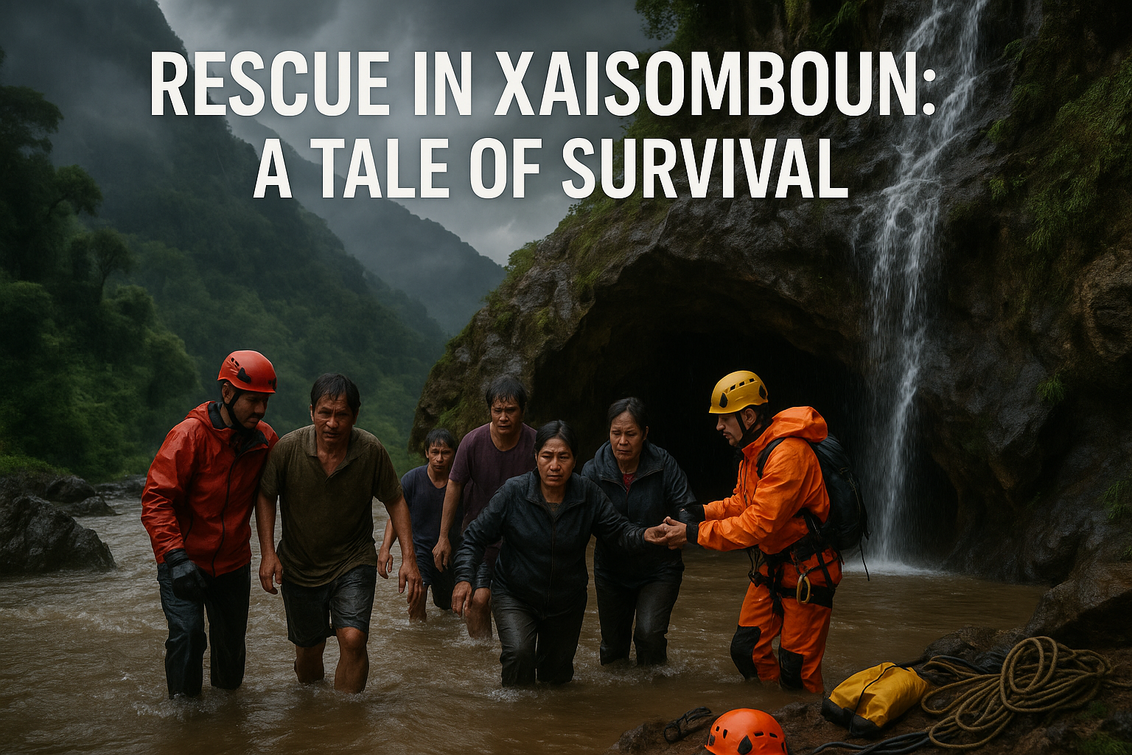
For over a week, eight villagers were trapped after floodwaters surged through a cave system they had entered on a routine outing. Rescuers later reached five of them alive, though two remain missing. Within this context of uncertainty and relief, questions arise about risk, preparedness, and how societies can adapt to increasingly volatile weather patterns.
The evolving context of the Laos cave drama
The cave incident unfolded in a rural province where daily life still depends heavily on rivers, forests, and seasonal cycles. Villagers often enter caves to collect resources, seek shelter from heat, or follow spiritual traditions. That local context makes caves familiar rather than frightening spaces, even though they conceal real hazards when rain turns erratic. What outsiders see as an adventurous environment is, for many, just part of the neighborhood.
Continuous rainfall transformed that familiar terrain into a trap. Sudden floods filled narrow passages, cut off exits, and forced the group deeper into darkness. In this context, survival became a matter of improvisation: finding pockets of air, conserving strength, and hoping rescuers would somehow battle the swollen waters. Their endurance reflects both physical resilience and calm under pressure, traits often shaped by a lifetime near fast-changing rivers.
Rescuers faced their own harsh context. Limited equipment, dangerous currents, and poor visibility slowed progress. Unlike high-profile operations in wealthier countries, teams in Laos often work with modest gear and thin budgets. Yet they combined local knowledge of caves with sheer persistence. The eventual discovery of the five survivors shows how courage, skill, and community bonds can compensate, at least partly, for technological gaps.
Climate, culture, and risk in rural Southeast Asia
To grasp the full context of this rescue, we must place it within Southeast Asia’s shifting climate patterns. The region experiences increasingly intense downpours, longer dry spells, and more frequent extreme events. Rural communities that rely on seasonal predictability face rising uncertainty. Caves, riverbanks, and rice fields once considered safe can turn perilous with little warning. The Laos cave emergency is one chapter in a broader climate story spreading across the Mekong basin.
Cultural practices also shape the context of risk. Caves in Laos often hold religious significance, housing shrines or serving as quiet spaces for reflection. Stories, legends, and ancestral memories turn these places into shared heritage sites. People do not visit only for curiosity or profit. That emotional connection can make potential danger easier to overlook. When spiritual meaning combines with economic needs, it becomes harder to stay away even during unstable weather.
Through a personal lens, this context feels both inspiring and unsettling. Inspiring, because communities hold strong ties to their land and traditions. Unsettling, because those same ties can leave them exposed when climate shocks arrive. I see in this story a tension between honoring local ways of life and confronting hard realities of a warming world. Preparedness plans must respect cultural values, not erase them, while still promoting safer choices near caves, rivers, and flood-prone areas.
Lessons for resilience in a changing context
What lessons emerge from this context of danger, endurance, and incomplete rescue? First, local knowledge remains indispensable; villagers and rescuers who know every bend of their landscape often act faster than distant authorities. Second, investment in basic gear, training, and early warning systems can transform a desperate search into a more controlled response. Third, and perhaps most important, stories from places like this cave in Laos challenge us to rethink how we coexist with nature. As weather patterns grow less predictable, resilience will depend on blending tradition with science, community solidarity with better infrastructure, and respect for sacred spaces with frank awareness of risk. The fate of the two missing villagers tempers celebration with grief, reminding us that progress in this context is measured not only by lives saved but by how we change to prevent the next emergency.


