
 0
0
 0
0
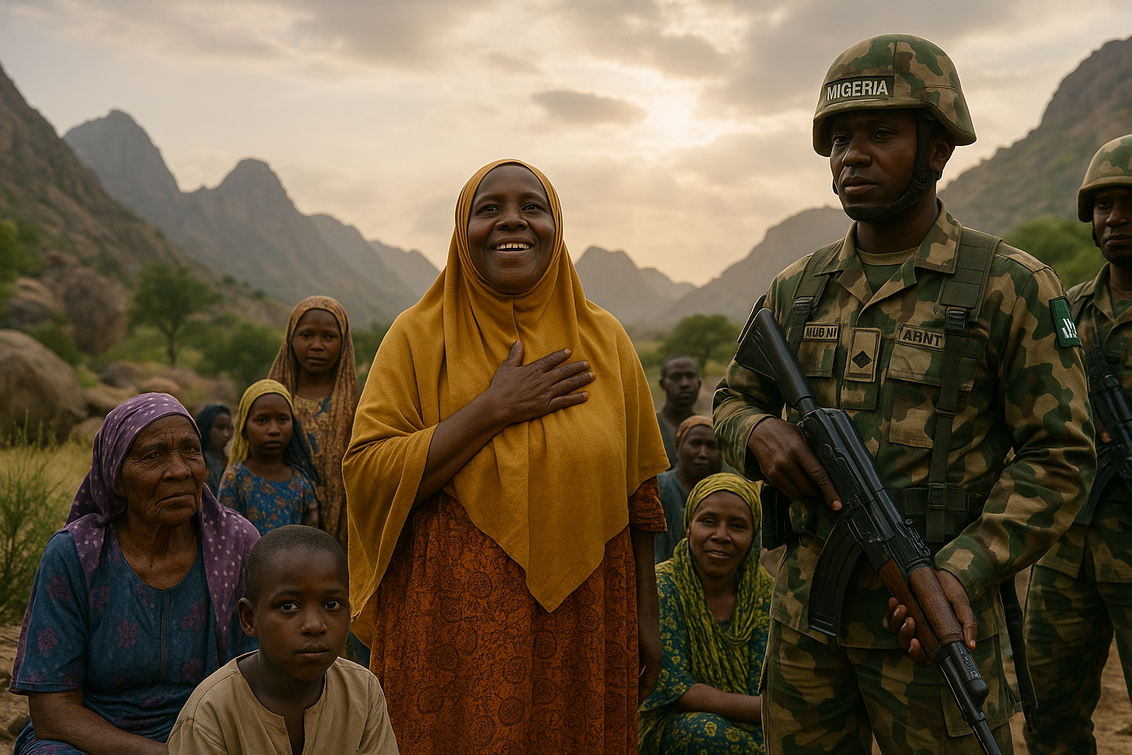
www.thediegoscopy.com – The world woke up to rare good news from northeastern Nigeria when the army announced the rescue of 360 abducted people in Borno state. In a region long scarred by conflict, this operation in the Mandara mountains offered a powerful reminder that hope can still break through layers of fear and silence. For families scattered across the world with loved ones missing in Nigeria’s northeast, this development felt like a long‑deferred breath of relief.
Yet beyond the headlines, the story raises deeper questions about how the world understands this conflict, who gets heard, and what comes next for those freed from Boko Haram captivity. A rescue mission is not a final chapter. It is a turning point. It shifts the world’s attention toward healing, justice, and the unfinished task of building safer communities across the entire Lake Chad region.
World attention on a remote battlefield
The Mandara mountains, where the rescue unfolded, sit near the border with Cameroon, far from the world’s usual centers of power. Steep rocky paths, hidden caves, and scattered hamlets make the area ideal for armed groups that rely on secrecy. For years, Boko Haram and splinter factions exploited this landscape as a sanctuary. To the world, these mountains barely registered on the map. To local residents, they became symbols of fear.
When the Nigerian army announced the liberation of 360 captives, it signaled more than a tactical win. It showed that the state could reach into spaces previously written off as lost ground. The world often measures conflict in neat statistics, but each rescued person carries a universe of stories. Many likely endured forced labor, coerced marriages, indoctrination, or months of displacement far from home.
This operation also highlights how local struggles link with broader world security concerns. Northeast Nigeria borders other fragile zones, so instability flows easily across frontiers. Armed groups draw on transnational smuggling routes, illegal mining, and ideological networks. A rescue in the Mandara region may appear like a local event, yet the ripple effects touch migration trends, humanitarian budgets, and counterterrorism strategies around the world.
Human lives behind the world’s headlines
Numbers such as “360 rescued” compress complex human dramas into a single figure. Behind that count stand individuals whose lives were interrupted by sudden violence. Some may have been taken from farms, others from roads or small markets. Children might barely remember a world without gunshots or night raids. Adults return to communities where trauma hovers behind everyday routines. The statistics inform the world, yet they rarely capture the quiet work of emotional repair.
Survivors often leave captivity with mixed feelings. Freedom brings joy, but also anxiety about the future. Many will need medical care, psychological counseling, and social reintegration. Stigma can also haunt women and girls who experienced forced marriages or sexual abuse. If communities fail to welcome them back, their ordeal continues in a different form. The world must recognize that liberation is only the first step; sustained support makes freedom meaningful.
Families meanwhile endure long periods without reliable information. In conflict areas, phone networks collapse, roads become unsafe, and rumors fill the gap. Relatives may hear of a rescue through distant radio broadcasts or world news sites before local confirmation reaches them. This communication vacuum deepens suffering. It shows why humanitarian organizations, media outlets, and authorities must coordinate better to provide accurate, timely updates to those living closest to the violence.
My perspective on a changing world narrative
From my vantage point, this rescue challenges the world’s usual framing of Nigeria’s northeast as a place only defined by endless insurgency. The operation reflects years of incremental learning by military planners, collaboration with local communities, and persistent demands from families who refused to forget the missing. Still, celebration should not eclipse scrutiny. The world has a responsibility to ask how these abductions became routine in the first place, which failures allowed armed groups to thrive, and whether lessons from this operation will guide future policy. Real progress emerges when rescues become rare not because missions stop, but because mass kidnappings cease to happen at all.


