
 0
0
 0
0
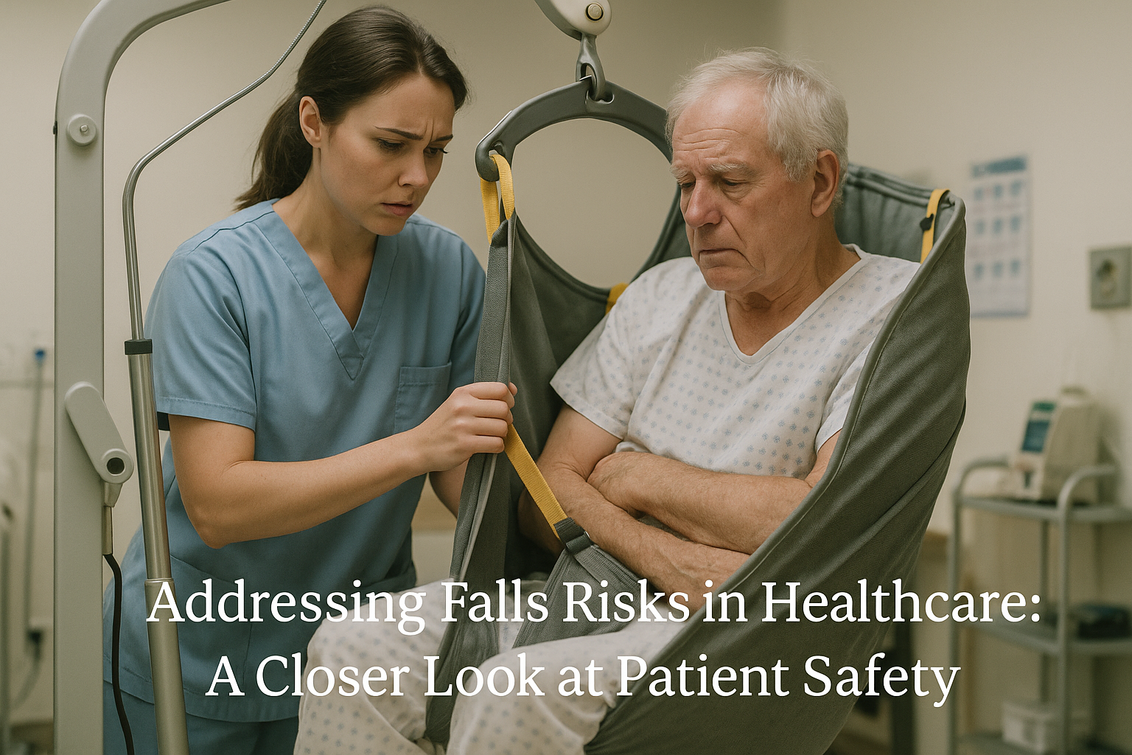
www.thediegoscopy.com – Patient care often brings to mind compassion, advanced technology, and skilled professionals. Yet a new insight from Willow Grove, PA, reveals a quieter threat: the simple act of moving a person from one place to another. ECRI examined more than 71,000 fall-related safety incidents and uncovered a striking pattern. Nearly half of these events occurred during patient transfers, moments usually viewed as routine steps in patient care rather than high‑risk procedures.
This revelation challenges long‑held assumptions about what truly endangers patients. It suggests that patient care is not only about diagnoses, medications, or surgeries. The everyday motions between bed, chair, bathroom, stretcher, and wheelchair deserve the same focused attention. Recognizing transfers as a major source of harm could transform how teams organize patient care and how families support their loved ones at the bedside.
Why Transfers Turn Routine Patient Care Into a Risk Zone
Transfers occupy a central place in patient care, yet they rarely receive strategic attention. Staff move individuals from bed to chair, from room to imaging suite, or from stretcher to operating table many times each day. These movements seem simple, but they involve changing body position, shifting weight, and adjusting support surfaces. Any misstep can disrupt balance. When strength, cognition, or coordination is reduced, the chance of a fall rises sharply, especially in crowded or hurried environments.
ECRI’s analysis shows that fall incidents during transfers are not rare exceptions. They form a disturbingly large share of reported harm events linked to patient care. This pattern indicates a systems issue, not isolated mistakes. It calls for rethinking how hospitals design workflows, train staff, and allocate equipment for safe mobility. When nearly half of falls emerge from one recurrent activity, focusing on that single factor can yield large safety gains.
Another overlooked aspect is the emotional side of patient care. Many individuals feel embarrassed when they need assistance moving. Some insist on doing more than their body can handle, simply to protect a sense of independence. Others misunderstand their limitations after surgery, medication changes, or long bed rest. Without sensitive communication, these feelings can translate into risky attempts to transfer alone, especially at night or when staff appear busy.
Breaking Down the Risk Factors Behind Transfer Falls
Several interacting elements turn transfers into dangerous moments within patient care. One contributor is physical weakness. After surgery or prolonged illness, muscle strength declines quickly. Standing requires more effort, and reaction time slows. Medications add another layer. Sedatives, painkillers, or blood pressure drugs can induce dizziness or blurred vision. When such effects coincide with a transfer, stumbling becomes likely even with support nearby.
Environmental conditions amplify this hazard. Floors may be cluttered with cords, equipment, or personal belongings. Footwear can be slippery or ill‑fitting. Bed heights vary, making transitions awkward. In some facilities, lighting is dim at night, so patients misjudge distances. Time pressure also plays a role. When nurses must move many people quickly, they might skip checks or underestimate how unsteady someone feels. All these factors together turn a routine piece of patient care into a perilous moment.
Communication gaps are equally important. Patients do not always understand instructions such as “pivot,” “brace,” or “weight‑bearing as tolerated.” Family caregivers may feel uncertain about safe lifting techniques yet hesitate to ask. Staff might assume a person already knows how to use a walker, though they have never received proper coaching. In my view, patient care still leans too heavily on technical procedures, while basic mobility education remains undervalued.
How We Can Redesign Patient Care to Make Transfers Safer
Improving transfers requires reimagining patient care as a shared movement project, not just a series of clinical tasks. Facilities can start by treating transfer risk as seriously as medication safety. That means systematic screening for fall risk, clear transfer plans posted at the bedside, and consistent use of transfer aids such as gait belts, slide boards, or mechanical lifts. Staff need regular training that emphasizes body mechanics, real‑life scenarios, and respectful communication. Patients and families should receive simple coaching on when to ask for help and how to move safely with walkers or canes. Technology can support this shift through bed‑exit alarms, wearable sensors, and data analytics that highlight hotspots for falls. Ultimately, patient care becomes safer when every transition—no matter how small—is approached with deliberate attention, teamwork, and a culture that values mobility as a vital sign of dignity. Reflecting on ECRI’s findings, I believe true quality in patient care will be measured not only by cures and procedures, but also by how gently and safely we help people move through each step of their healing journey.


