
 0
0
 0
0
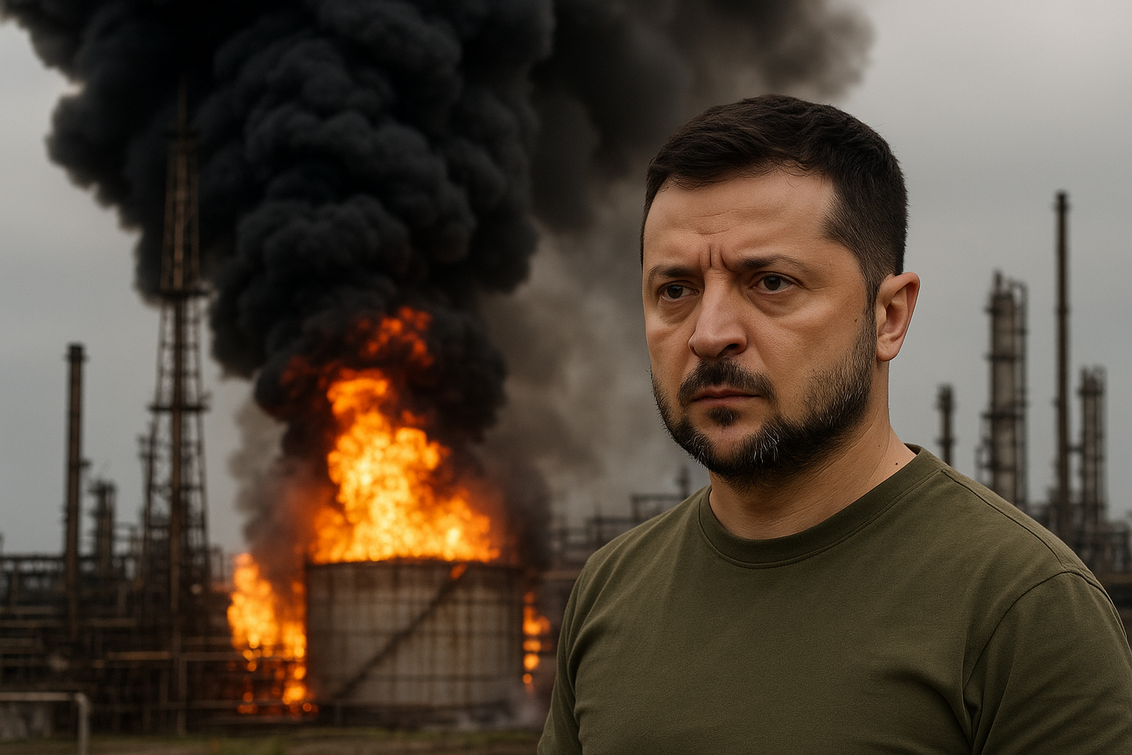
www.thediegoscopy.com – When Ukrainian drones struck the Syzran oil refinery hundreds of miles inside Russia, the explosions rippled far beyond the blast zone. A remote attack aimed at military logistics swiftly morphed into a business story, unsettling energy markets, insurers, logistics firms, and investors already struggling with geopolitical uncertainty.
This latest long‑range strike highlights a stark reality: modern conflict no longer stays on the battlefield. It spills into boardrooms, balance sheets, and supply chains. Every refinery fire or disrupted pipeline becomes a business signal, forcing executives worldwide to reassess risk, resilience, and strategy in a world where low‑cost drones can disrupt billion‑dollar assets overnight.
Drone Strikes and the New Business Battlefield
Ukraine’s long‑range drone campaign has moved from border regions to refineries deep inside Russia. The Syzran facility is not just an industrial site; it is a node in a vast business ecosystem that links producers, traders, transport companies, and end buyers. When that node goes offline, even briefly, the impact flows through contracts, prices, and supply commitments. For many business leaders, this is a reminder that physical infrastructure risk is no longer a distant concern.
Oil refineries sit at the heart of both national power and private enterprise. They turn crude into products that fuel logistics, aviation, agriculture, and consumer goods. A single hit can cut output, push regional prices higher, force rerouting of shipments, and complicate hedging strategies. For business strategists watching Ukraine’s evolving tactics, these incidents reveal how targeted attacks on infrastructure can shift leverage in both military and economic terms.
At the same time, Russia faces a strategic dilemma with clear business overtones. To defend refineries scattered across huge distances, it must allocate expensive air defenses away from front‑line zones. That shift carries financial and operational costs. The more often drones hit facilities like Syzran, the more investors, credit agencies, and business partners will question the reliability of Russian energy exports, even if production recovers quickly after each strike.
How Energy Markets and Global Business Respond
Energy markets thrive on predictability. Drone strikes shredding that stability inject risk premia into prices. Buyers hedge more aggressively; traders widen spreads; insurers demand higher premiums. Even when physical disruption remains localized, business decisions reflect worst‑case scenarios. Energy‑intensive industries, from chemicals to shipping, must factor in the possibility of sudden cost spikes triggered by another refinery on fire far from their own operations.
The insurance sector faces a particular business challenge. Traditional models for political risk and war coverage assumed limited reach for many combatants. Cheap, long‑range drones break that assumption. Underwriters now must evaluate the odds that infrastructure once considered relatively safe might become a target. This reassessment influences premiums for ports, pipelines, storage hubs, and refineries, not just inside Russia but along key transit routes. The result is a more expensive risk environment for global business.
Meanwhile, energy firms search for ways to harden facilities against aerial threats. That means new spending on sensors, jamming systems, physical barriers, and emergency response upgrades. While such investments protect revenue streams, they also raise operating costs. The business calculus shifts from pure efficiency toward resilience. This change favors companies ready to diversify sourcing, build redundancy into supply chains, and integrate conflict intelligence into strategic planning.
The Strategic Shock to Long‑Term Business Planning
Beyond immediate market moves, the Syzran strike sends a psychological shock through boardrooms worldwide. It proves that critical business infrastructure deep inside a major power’s territory can be reached by relatively low‑cost technology. For multinational corporations, this reality demands a fresh look at country exposure, asset concentration, and crisis playbooks. My own view is that we are entering an era where competitive advantage includes how effectively a business anticipates geopolitical disruption. Firms that treat drone warfare as a fringe military issue risk being blindsided; those that integrate conflict‑aware risk models, diversify energy dependencies, and stress‑test operations against sudden infrastructure losses will be better positioned. As conflicts grow more technological and less geographically bounded, the line between war news and business strategy blurs. The reflective question for any leader now is not whether geopolitical shocks will hit their sector, but how ready their organization is when the next refinery goes dark.


