
 0
0
 0
0
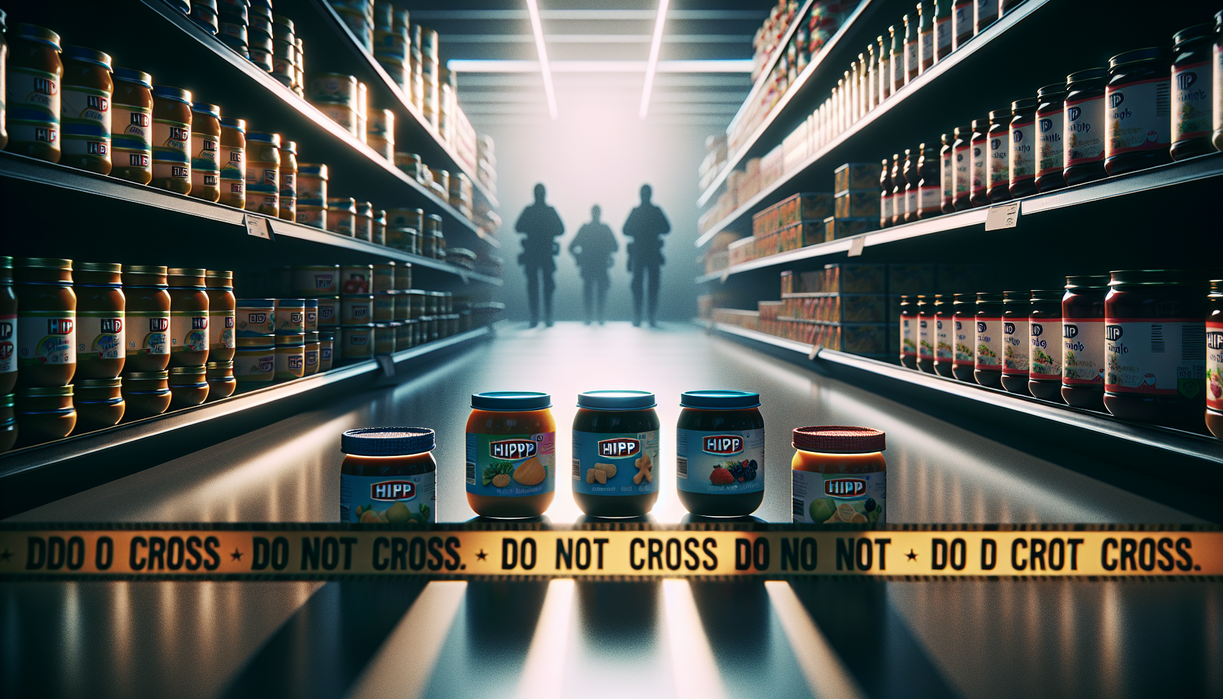
www.thediegoscopy.com – World news headlines turned unsettling this week after authorities in eastern Austria detained a 39-year-old suspect accused of tampering with baby food jars on supermarket shelves. Investigators reported that traces of rat poison appeared in specific jars from well-known brand HiPP, sold across parts of central Europe, sparking immediate recalls and fear among parents. This disturbing event highlights how fragile consumer safety can be, even in well-regulated markets.
As the story ripples through world news outlets, the case raises tough questions about supply-chain security, corporate responsibility, and emotional trauma for families. Beyond the urgent criminal inquiry, the incident shows how a single malicious act can damage trust built over decades. It also forces policymakers, retailers, and food producers to reconsider how they protect the most vulnerable customers: infants.
How a Local Crime Shook World News
Police in eastern Austria moved quickly once reports surfaced of suspicious contamination in baby food jars. According to investigators, several products from HiPP, a trusted baby food label, appeared with minute quantities of rat poison blended into the contents. The discovery came after a consumer noticed something off and alerted authorities, prompting swift lab testing. Supermarkets across central Europe then began coordinated recalls to prevent further risk.
This rapid response limited potential harm, yet the damage to public confidence remains vast. In world news coverage, journalists emphasized how widely these jars had been distributed, even though only a small batch showed contamination. Parents began checking cupboards, contacting pediatricians, and scanning product codes on packaging. Social media accelerated both panic and information sharing, with images of recalled jars circulating across platforms.
Authorities eventually detained a 39-year-old suspect, though many details still have not reached the public. Investigators continue to explore motive, opportunity, and exact methods used to place poison in selected jars. Whether this was extortion, ideology, personal grievance, or pure malice, the impact extends beyond one supermarket chain or one country. The story jumped quickly from local bulletins to global world news segments because it strikes a deep universal fear: the idea of poisoned food for infants.
Trust, Fear, and the Psychology of Contaminated Food
The psychological dimension of this incident explains why it dominates world news cycles despite a limited number of contaminated jars. Food safety feels intimate. People place enormous trust in brands, regulators, and retailers each time they place items in a shopping cart. With baby food, that trust intensifies because infants cannot choose or refuse what adults offer them. Any threat to that bond fractures a basic sense of security in daily life.
From my perspective, this case exposes a hidden social contract between consumers and the entire food system. We accept industrial production and long supply chains for convenience, variety, and price. In return, we expect rigorous oversight and near-absolute safety. When even one malicious actor breaches that framework, the reaction can seem disproportionate to the numbers, yet completely rational at an emotional level. Parents see their children not statistics.
World news sometimes reduces these stories to fear-driven headlines, yet there is a deeper lesson. Visible crises, such as this baby food scare, often drive overdue improvements. After previous contamination events in other countries, companies invested in tamper-evident packaging, smarter tracking codes, and faster recall procedures. This Austrian case could push another wave of upgrades, especially in baby and medical nutrition sectors, where tolerance for risk is near zero.
What This Case Means for the Future of Food Safety
Looking ahead, the Austrian baby food poisoning scare should become a turning point rather than a passing world news curiosity. Retailers can strengthen surveillance systems to detect product interference on shelves, while manufacturers may expand tamper-evident seals, serialization, and digital traceability. Governments can coordinate cross-border alerts faster, so that when one jar raises alarm in a single town, shelves across the region respond within hours. As consumers, we also gain a role: report anomalies, stay informed, yet resist constant panic. The point is not to fear every jar but to build layered safeguards so that one person’s attempt at harm cannot easily spread through an entire food system. In reflecting on this event, I am reminded that a resilient society treats each crisis as an invitation to rebuild trust on stronger foundations.


