
 0
0
 0
0
www.thediegoscopy.com – American politics is entering a strange new phase. Even as party bases grow more polarized, Democratic strategists are quietly recruiting candidates with conservative credentials, hoping to win over swing voters who feel homeless in the current climate. This experiment reveals a deeper tension inside modern politics: should parties double down on ideology, or stretch their tent wide enough to include former opponents?
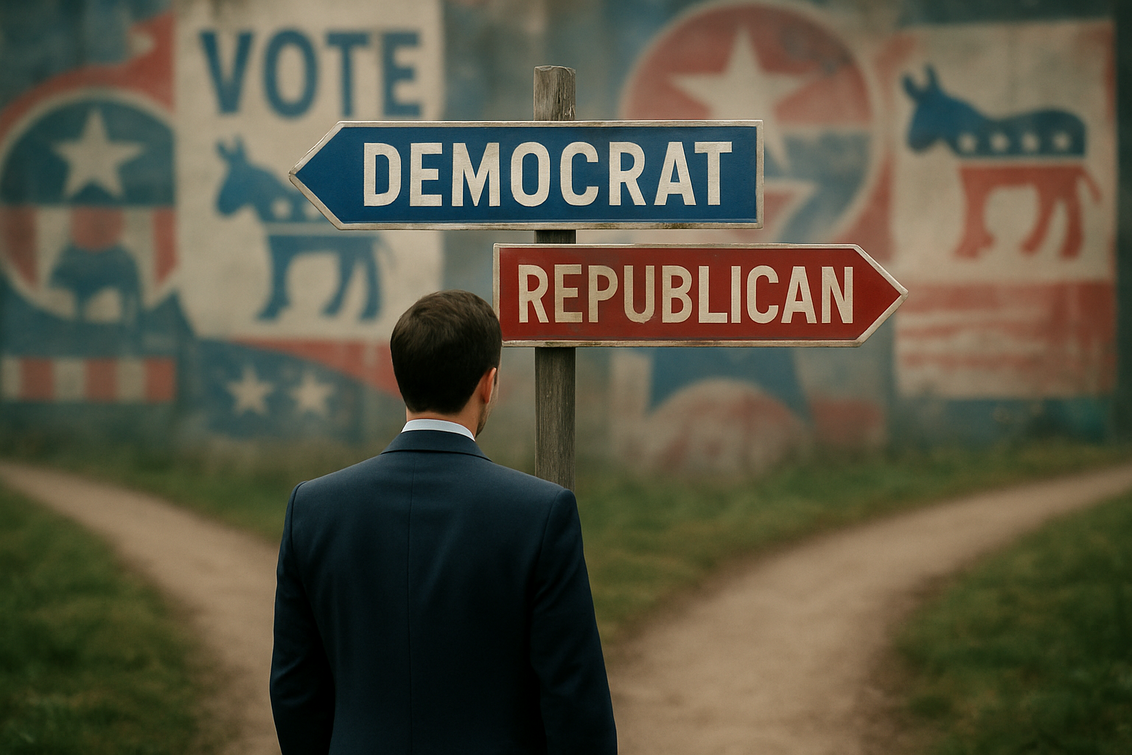
One recent example made headlines when a top prospect backed by the Democratic Congressional Campaign Committee had been a registered Republican as recently as 2018. Supporters saw a savvy play for moderate districts. Critics saw a warning sign that core values risk dilution. Through this lens, politics becomes less about blue versus red, and more about identity, trust, and the boundaries of big‑tent coalitions.
Why Democrats Are Looking Right in Modern Politics
At first glance, Democratic leaders embracing conservative‑leaning candidates seems counterintuitive. The party’s national image skews progressive on social issues, climate, and economic justice. Yet campaign professionals live in a world of numbers, not slogans. They study districts where Republicans still hold cultural sway, but Trumpism has lost some shine. In those places, politics often rewards a candidate who can speak to tradition, fiscal caution, and cultural comfort, even while running under a Democratic banner.
Viewed through raw electoral math, this strategy makes a certain kind of sense. Many House seats sit in purple suburbs or small cities where voters split their tickets. They may favor abortion rights, yet prefer restrained spending or tougher border policies. A former Republican or centrist Democrat can bridge those contradictions. Politics at that level becomes an exercise in translation. The same policy can be framed using conservative language about responsibility, security, and stability, making it easier for hesitant voters to cross party lines.
However, this approach carries real reputational risks. Grassroots activists fear that constant compromise turns politics into a hollow exercise, where winning seats matters more than what those seats are used to achieve. They worry that Democrats who once embraced Republican labels might still hold views out of step with the party’s base on labor, healthcare, or voting rights. The strategy might pull in a few extra votes now, yet sow disappointment later if these candidates hesitate to back bold reforms when it counts.
The Appeal and Limits of Conservative Democrats
A candidate with conservative roots can look like a political unicorn in districts tired of partisan warfare. Voters frustrated with hard‑line rhetoric may welcome someone who understands both sides. In retail politics, biography often matters as much as ideology. A former Republican can claim to know why neighbors hesitate to trust Democrats, then reassure them that basic values like family, faith, and community remain compatible with a blue ticket. That kind of narrative has real emotional power.
Still, there is a thin line between broad appeal and mixed messages. If a candidate leans too far right on key issues, progressive organizers might withhold enthusiasm or support. A campaign thrives not just on yard signs but on volunteers knocking doors, small donors chipping in, and trusted local leaders vouching for a newcomer. Politics functions as a coalition of energy. When activists sense a bait‑and‑switch, that energy cools. A centrist who pleases cable‑news panels yet fails to inspire local supporters can actually weaken a party’s ground game.
My own view is that the problem lies less in recruiting conservative Democrats, and more in the absence of clear guardrails. Big tents require sturdy poles. Parties should articulate non‑negotiable commitments on voting rights, civil liberties, reproductive autonomy, and democratic norms. Once those core principles are firm, there is room to welcome candidates who diverge on taxes or cultural style. Without that backbone, politics risks sliding into pure opportunism, where yesterday’s Republican becomes today’s Democrat for reasons that feel shallow or purely tactical.
What This Shift Reveals About U.S. Politics
The push for more conservative voices under the Democratic umbrella reveals a country wrestling with overlapping realignments. Many college‑educated suburbanites now lean blue on social questions yet remain wary of sweeping economic change. At the same time, some working‑class voters hold progressive economic instincts but embrace traditional cultural norms. Parties struggle to build durable majorities in this environment, so they chase cross‑pressured voters with candidates who blur old lines. In the long run, the health of American politics may depend on whether these experiments create space for honest persuasion, or simply add new layers of cynicism. The challenge is to broaden the tent without losing the moral compass that gives party labels meaning at all.


