
 0
0
 0
0
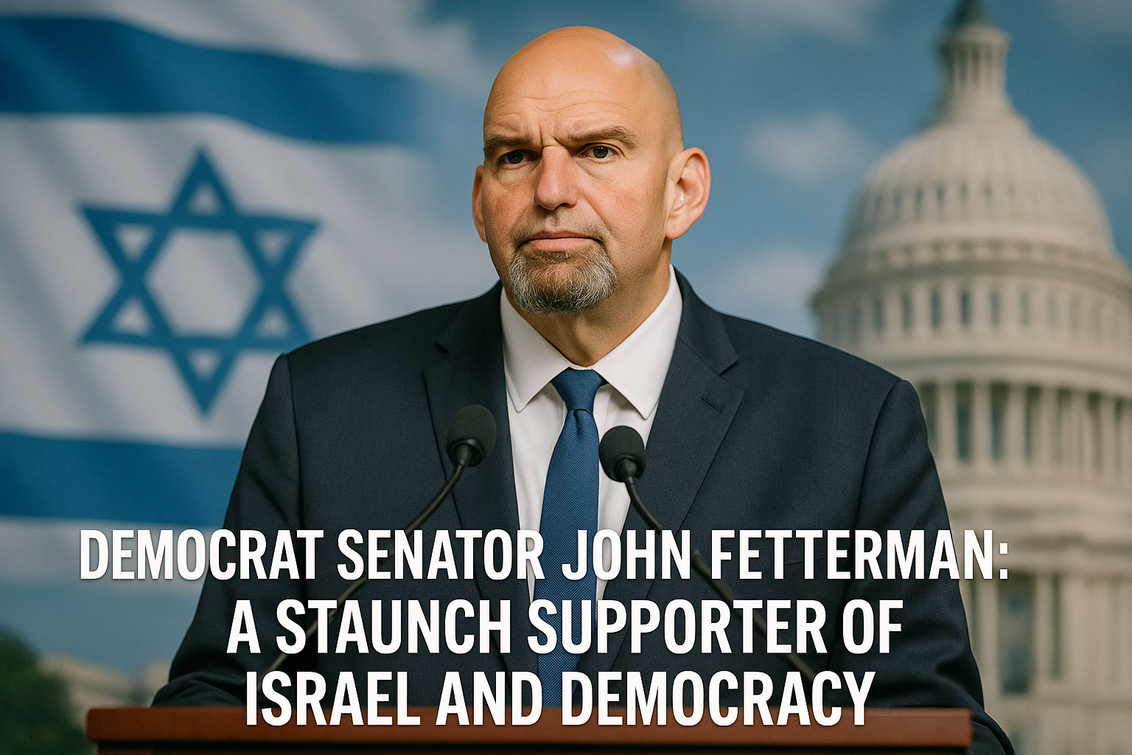
www.thediegoscopy.com – John Fetterman has become one of the most outspoken voices in Washington on Israel, declaring that he will “always” back whatever Israel needs. His blunt promise has turned the Pennsylvania Democrat into a lightning rod in a party wrestling with its own divisions over the war in Gaza, human rights concerns, and the future of U.S. foreign policy in the Middle East.
For supporters, john fetterman represents moral clarity and steadfast loyalty to a long‑time ally. For critics, his posture raises urgent questions about accountability, proportionality, and whether any ally should ever receive unconditional support. This debate around a single senator highlights a deeper struggle inside the Democratic Party over values, security, and what it means to be a progressive voice on global conflicts.
John Fetterman’s Pledge and Its Political Shockwaves
When john fetterman vowed he would always vote for whatever Israel needs, he delivered more than a foreign policy soundbite. He signaled a hard line at a moment when many Democrats are calling for tighter scrutiny on military aid, stronger protections for civilians, and a rethinking of decades‑old assumptions. His words echoed across social media, cable news, and activist circles, sharpening existing divides.
Fetterman often presents himself as a plain‑spoken outsider who refuses to bend under pressure. That persona shapes how his pledge is perceived. Supporters see a leader who chooses principle over polls. Detractors worry he has drawn a red line that leaves no room for nuance, even when civilian casualties or humanitarian crises dominate global headlines.
Politically, john fetterman’s stance may enhance his appeal with pro‑Israel moderates and some older Democratic voters. At the same time, it risks alienating a younger, more progressive generation. Many in that camp want conditions on aid, stronger oversight, and a clearer distinction between backing Israel’s right to exist and endorsing every government decision. His commitment lays bare a generational and ideological clash inside the party.
Israel as a Democratic Model: Ideal, Reality, and Tension
John Fetterman has praised Israel as a democratic model in a turbulent region. For decades, American leaders used similar language, pointing to competitive elections, a robust court system, a spirited press, and active civic life. In that older narrative, Israel stands as a bulwark of shared values, anchored by pluralism and checks on executive power.
Yet critics argue the picture is far more complex. They highlight ongoing settlement expansion, treatment of Palestinians under occupation, and controversial changes to Israel’s judiciary. To them, describing Israel as a democratic model without mentioning those issues feels incomplete. John fetterman’s straightforward praise resonates with many, but it also collides with emerging conversations about equality, minority rights, and international law.
My own perspective sits somewhere between those poles. Israel clearly maintains democratic institutions many neighbors lack, including regular elections and a real opposition. Still, democracy cannot be evaluated only inside one country’s borders when its security policies directly shape millions of Palestinian lives. When john fetterman uses the “model” label, I believe he touches a real achievement, yet underestimates the democratic strain produced by prolonged conflict and occupation.
Balancing Security, Morality, and Political Identity
The heart of this debate is not just John Fetterman’s loyalty to Israel but how Americans define a responsible ally. Should support feel unconditional, grounded in history and shared interests, or should it depend on measurable commitments to human rights and diplomatic progress? I lean toward a conditional approach: enduring partnership paired with honest pressure when actions clash with stated values. Fetterman’s absolute framing offers comforting certainty to some, yet it risks sidelining moral complexity at a time when voters crave leaders who can hold multiple truths at once. His stance may energize specific blocs, but the long‑term health of both U.S. democracy and Israel’s democracy likely depends on a more nuanced, self‑critical form of solidarity that remains open to course correction.


